
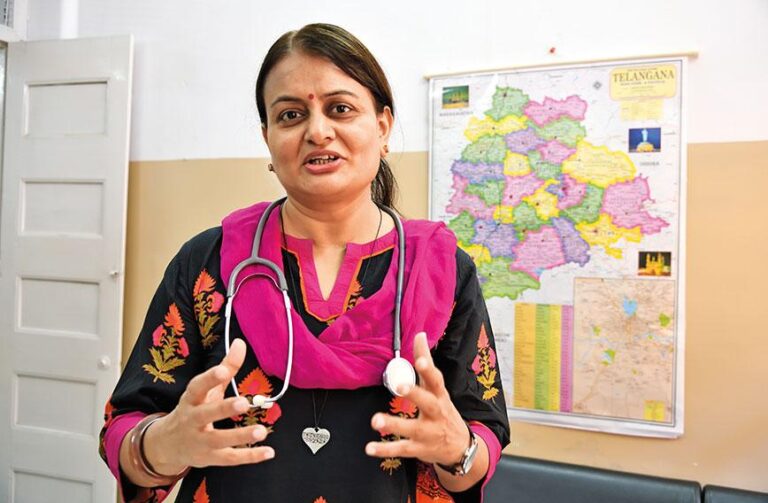
‘We’ve set up palliative care centres in 8 districts’
Telangana has become a frontrunner in State-supported cancer treatment by opening palliative care centres in eight districts in partnership with the Pain Relief and Palliative Care Society since 2017. Earlier, in 2007, the government-run MNJ Cancer Institute partnered Two Worlds Cancer Collaboration, a Canadian NGO, to set up a palliative
read more...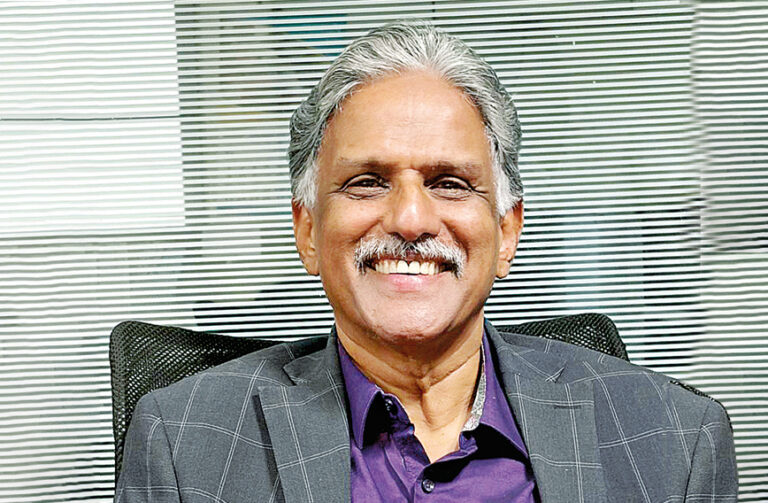
‘300 doctors in districts trained as specialists’
When patients in rural areas need specialty medical care, they invariably have to seek it in cities. How then can district hospitals be upgraded to handle such cases? While improving infrastructure is important, it is equally necessary to enable MBBS physicians in rural areas to acquire specialized degrees where they
read more...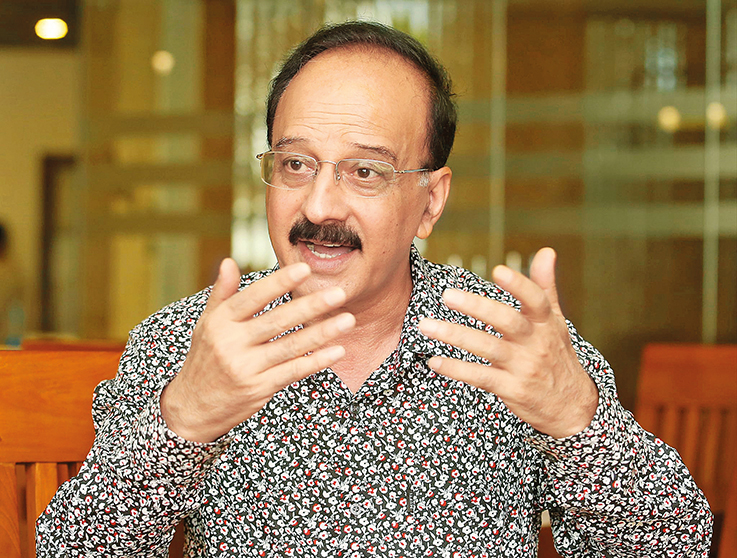
‘It is stupid to take people off farms and use them as cheap labour’
When farmers blockaded Delhi for more than a year in 2020-21, right through the pandemic, it seemed that they had compelled the government to think afresh on agriculture. Three pro-free market laws that had been rushed through Parliament were scrapped, but many of the long-pending issues that bedevil the farm
read more...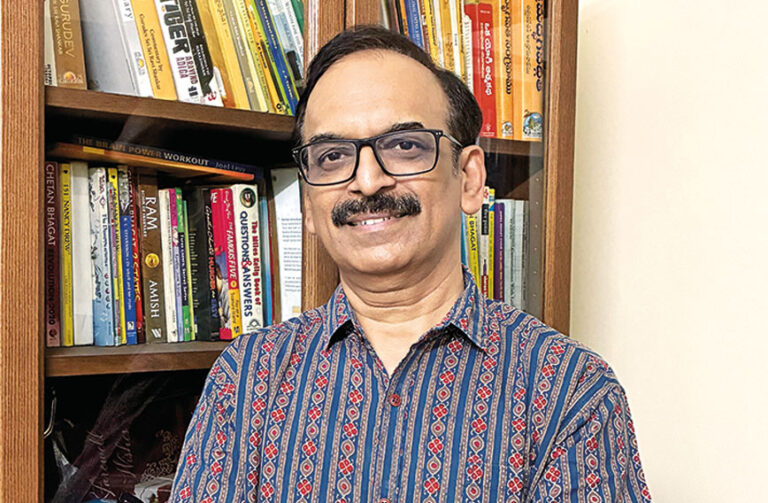
‘Science shows a major quake is overdue in the Himalayas’
From imploding glaciers to landslides, floods and torrential downpours, natural disasters have been happening one after the other in the Himalayas in recent times, making life in the mountains seem more vulnerable than ever before. These unsettling episodes have made news by leaving a trail of destruction in their wake.
read more...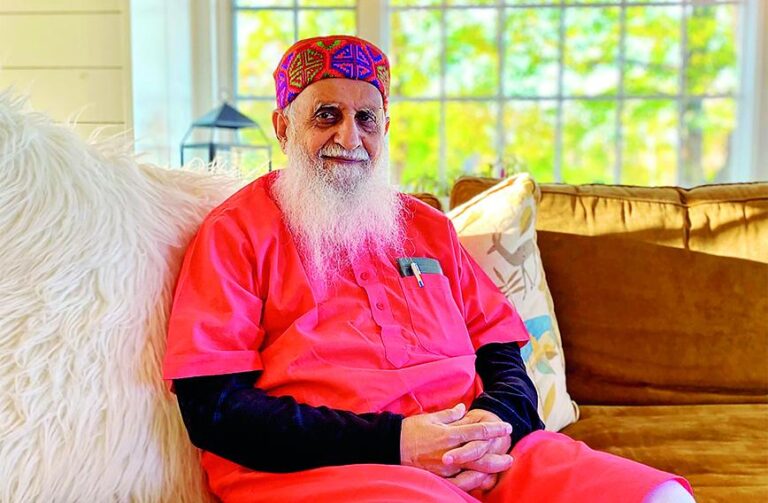
‘Himalayas on the verge of a catastrophe now’
WHEN he set up the People’s Science Institute (PSI) in Dehradun all of 40 years ago, Ravi Chopra, with an IIT degree to boot, was well ahead of his time in his concern for the Himalayas. He remains one of the most honest, socially driven and scientific minds on the
read more...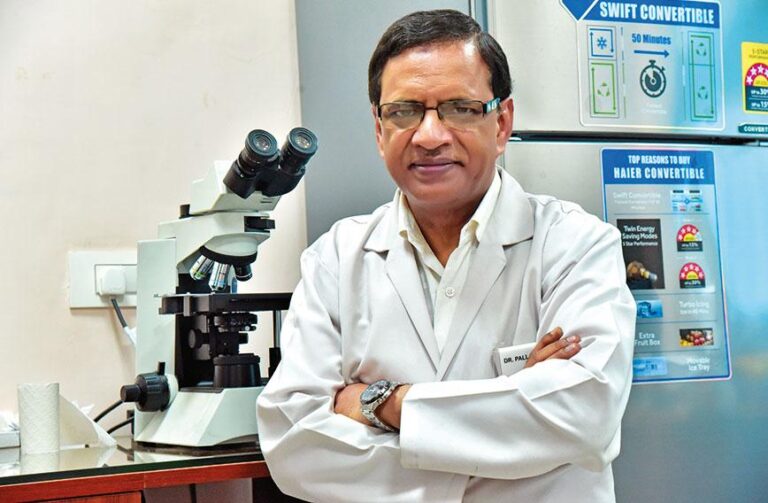
‘Bring back bacteria and sanitise less’
Is the irrational use of antibiotics leading to a public health emergency? Are Indians heading for a situation in which life-saving drugs won’t work on patients who desperately need them? A scientific study under the Indian Council for Medical Research (ICMR) has both good news and bad. The situation is
read more...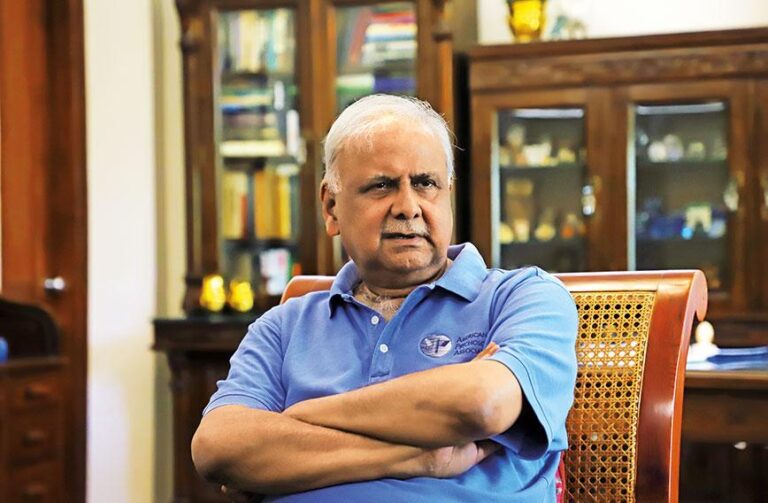
‘A candidate’s allegiance is to the ticket-giver not voter’
The past two decades have witnessed growing concern over diminishing fair play in elections and lack of transparency in the functioning of political parties. The end of another general election is a good time to review how much progress has been made. Has the role of money power been curbed?
read more...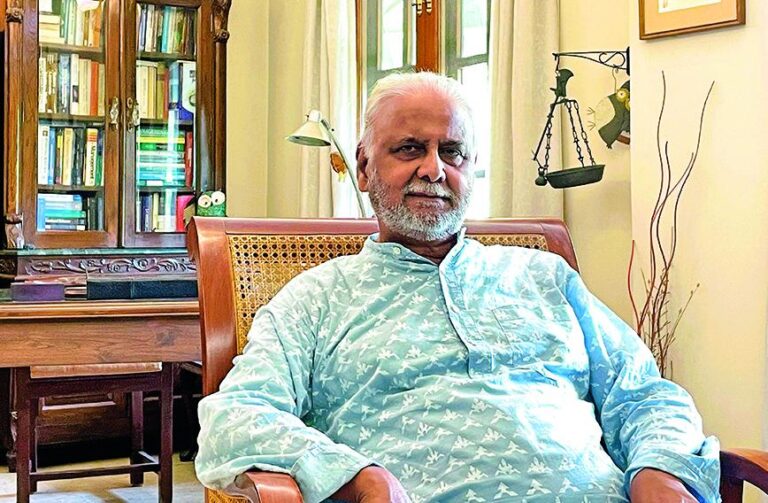
‘Polls are far too important to be left to politicians’
A committee under former President Ram Nath Kovind is setting out to examine the feasibility of holding elections to Parliament and the assemblies simultaneously every five years. It is being said that money and time will be saved if elections are held together, perhaps within a single timeframe if not
read more...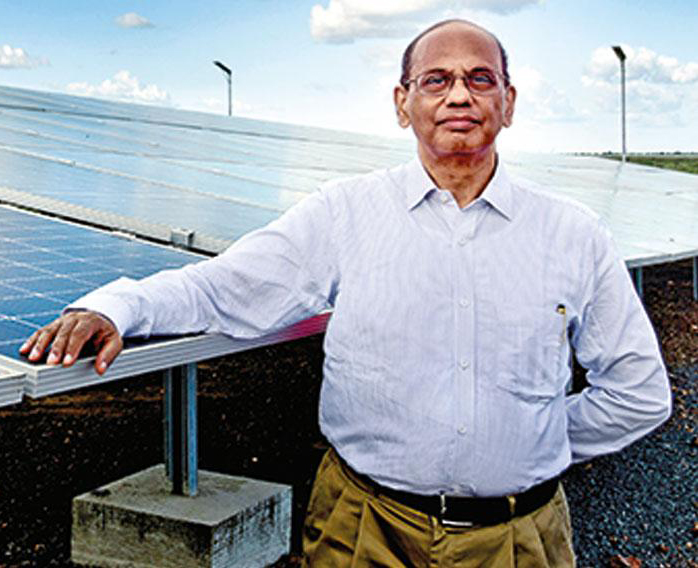
‘Solar is now the cheapest power you get in India’
WITH global warming, pollution and wildly unpredictable fossil fuel prices, renewable energy is the answer. India has played a leading role in the International Solar Alliance, but how successful has it been in facing up to the challenge of increasing solar power production capacities and bringing down the cost of
read more...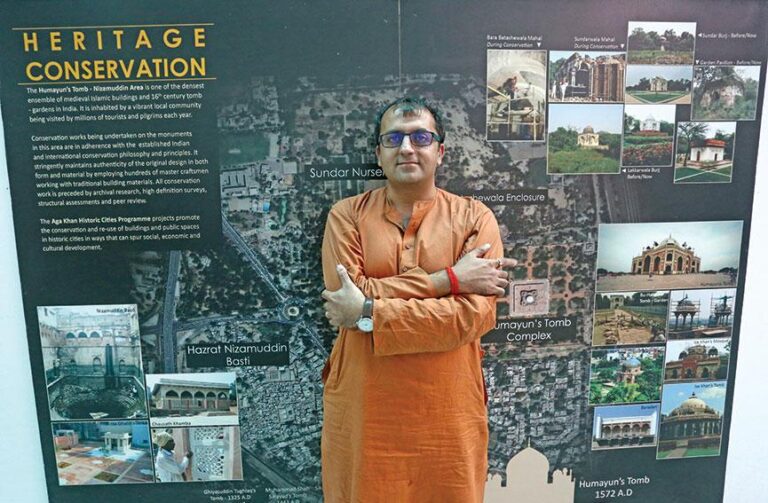
‘Urban heritage should have wide ownership’
As urbanisation spreads, how can heritage be saved? In the rushed transformation that Indian cities are undergoing can traditional homes, monuments, old engineering, rare water systems be conserved? One such effort in New Delhi has produced outstanding results. Humayun’s Tomb has not just been restored, but now serves as an
read more...
‘Tensions between Centre, states going out of hand’
RELATIONS between the Centre and the states have been fraught. A recent meeting of NITI Aayog was not attended by the Opposition-ruled states with the exception of West Bengal whose chief minister, Mamata Banerjee, walked out half-way, saying she was being ignored. Being in control and centralizing power have been
read more...
‘Spending on people always is productive spending’
Political parties have been trying to outdo one another at election time in promising free benefits to people. There has been criticism that this largesse is purely in search of votes. Frenzied giveaways in the heat of the moment risk being too much of a burden when ensconced in office.
read more...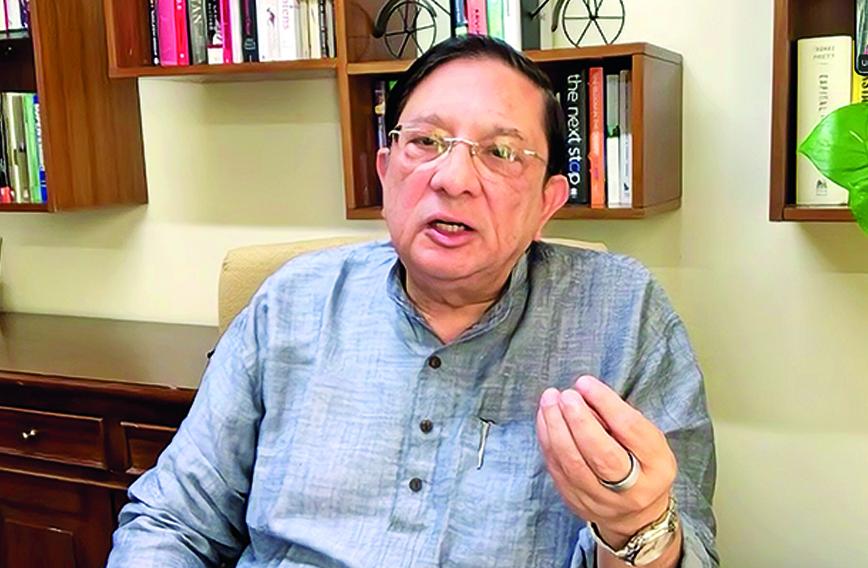
‘High-speed rail should be the big move India makes’
MORE Indians are flying than ever before. But in the process is air travel getting too clunky and burdensome? Perhaps it is time to balance the emphasis on flying with fast and efficient train services over short inter-regional distances. An opportunity beckons in linking up cities big and small and
read more...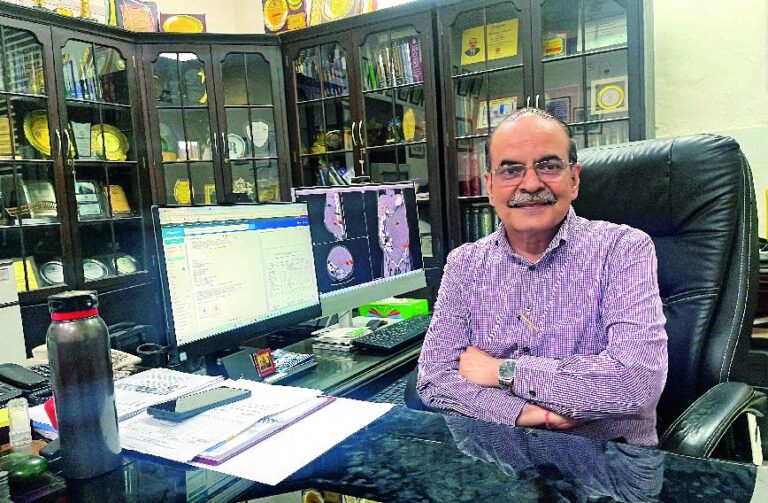
‘AI should be used to help doctors, not replace them’
With the arrival of artificial intelligence (AI), the time is here to consider its implications for public healthcare. Currently, AI is an expensive and corporation-grown technology. Private hospitals will flaunt it. But for the tens of millions of people awaiting medical services, how AI is developed and deployed will determine
read more...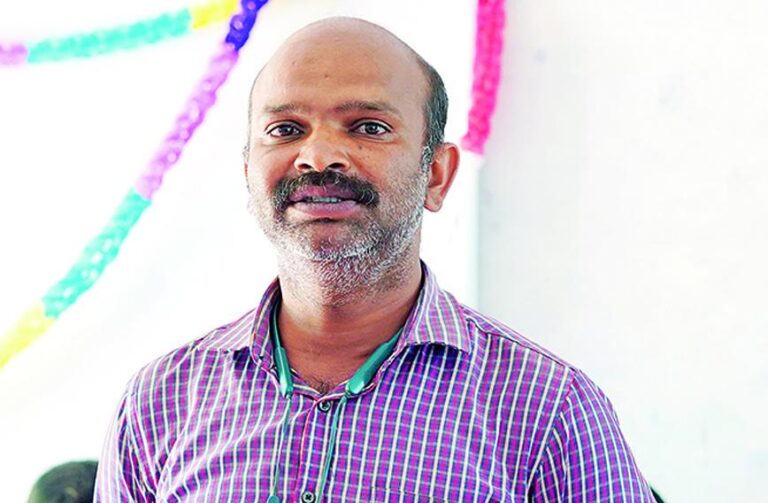
‘People should get into the sanitation business’
FOUR years ago, Raees Mohammad, with a PhD in English and a stint as an additional lecturer behind him, decided to return to his hometown, Kotagiri, in Tamil Nadu to get into sanitation. He was formerly known as Ravichandra Bathran. Being a Dalit, he had chosen to convert to Islam.
read more...